Protect Your Property from Squatters in Philadelphia, PA Now
Squatter prevention in Philadelphia, PA helps property owners stop unauthorized occupancy before it starts, keeping buildings safe and legally uncomplicated.
What Makes a Property Vulnerable to Unauthorized Occupancy?
A property becomes a target for squatters when it looks unmonitored. Signs like broken lighting, no visible security presence, and overgrown landscaping signal to trespassers that no one is paying attention.
In Philadelphia, vacant commercial properties and between-tenant residential units are especially at risk. A short gap in occupancy — even a few weeks — can be enough time for someone to establish an unauthorized presence that becomes very difficult to remove legally.
Once an individual has occupied a property for an extended period, Pennsylvania law may complicate your ability to remove them quickly. Prevention is far simpler and less costly than dealing with the legal process after the fact. Regular inspections and visible deterrents make your property a less attractive target from the start.
How Do Professional Security Guards Deter Squatters?
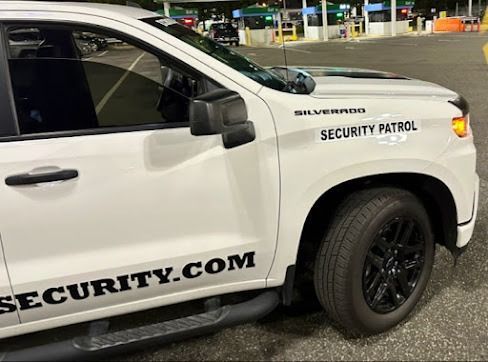
Trained security guards provide a visible, active deterrent that passive measures like fencing or signage cannot match. When someone approaches a property and sees a uniformed guard, they are far less likely to attempt unauthorized entry.
Guards can conduct regular walk-throughs, check entry points, and document the condition of the property during each patrol. This creates a record of activity and ensures that any signs of tampering — a broken lock, a displaced board, an open window — are caught and addressed quickly.
For property managers overseeing multiple sites in Philadelphia, professional security staffing allows you to cover several locations on a rotating schedule. You get consistent monitoring without having to be on-site yourself. Learn more about how our squatter prevention services are structured to fit different property types and schedules.
Philadelphia's Dense Housing Market and Squatter Risk
Philadelphia's housing stock includes a significant number of older row homes, mixed-use buildings, and commercial spaces that cycle between tenants and ownership. This density and turnover creates unique vulnerability windows compared to suburban markets.
In neighborhoods with higher vacancy rates, properties left unmonitored even briefly attract attention. Areas undergoing renovation or redevelopment are particularly susceptible because construction timelines can leave buildings in a half-finished state for extended periods.
Property owners and managers working in these environments benefit from having a consistent security presence during transitions. Whether a building is awaiting a new lease or mid-renovation, regular patrols send a clear message that the property is actively managed and protected.
What Steps Should You Take Before a Property Sits Vacant?
Before a commercial or residential property enters a vacancy period, a few proactive steps can dramatically reduce your risk. Walk the perimeter and identify any weak entry points — doors, windows, basement access, or roof hatches that might not be secured properly.
Notify local authorities of the planned vacancy so they can include your address in their routine patrols. This alone does not replace dedicated security coverage, but it does add one more layer of oversight to your overall plan.
You should also establish a documented inspection schedule before the property goes vacant. Whether you rely on your own team or a professional security provider, having a written log of each visit protects you legally and helps you track any changes in the property's condition over time. Explore our full range of security resources to build a plan that fits your specific situation in Philadelphia.
Consistent, documented oversight is the most effective way to keep your property secure between tenants or during development phases. Call Echo Delta Security at (215) 868-5211 to start building a squatter prevention plan for your Philadelphia property today.